How to Interpret ISO 4406 Cleanliness Codes for Lubricant Monitoring
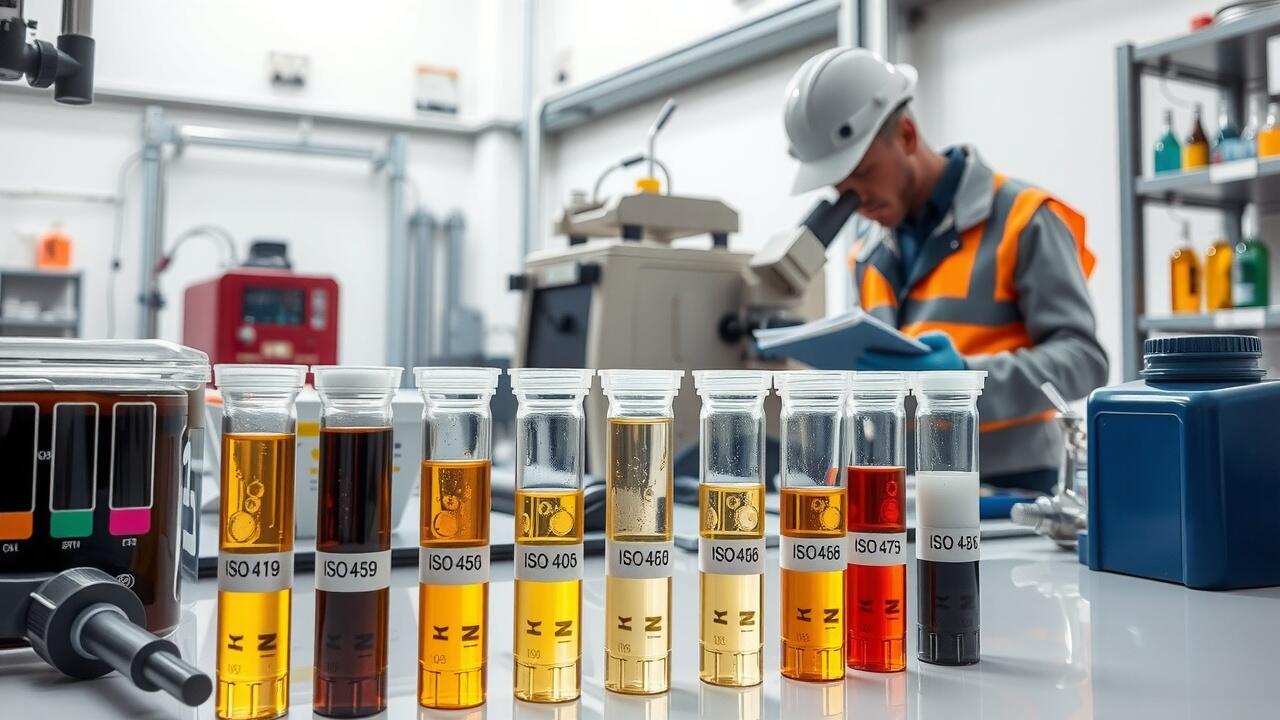
Table Of Contents
Interpreting Cleanliness Codes
Deciphering ISO 4406 cleanliness codes unlocks valuable insights into the quality of industrial lubricants. This classification system conveys crucial information regarding the contamination levels in lubricants through numerical codes, which represent the maximum allowable particle sizes. For example, a cleanliness code of 16/14/11 indicates the presence of particles greater than 4, 6, and 14 micrometers in specific quantities. Understanding these classifications allows maintenance teams to pinpoint potential issues early and take preventive measures.
Implementing a systematic approach to interpreting these cleanliness codes can significantly enhance your lubricant monitoring strategy. By routinely analyzing samples and comparing them against ISO standards, organizations can ensure that their industrial oil systems operate efficiently. For example, if a facility consistently measures cleanliness levels above acceptable thresholds, they can investigate the root causes, such as improper storage or equipment degradation. As a result, this proactive oversight leads to improved equipment performance and reduced maintenance costs.
What Steps Should You Take to Analyze ISO 4406 Codes?
Analyzing ISO 4406 cleanliness codes requires a systematic approach that helps to accurately assess the quality of industrial lubricants. Start by obtaining a sample of your lubricant and testing it against the codes, which categorize contamination levels based on particle counts. The ISO 4406 standard uses three numbers to represent the quantity of particles greater than 4, 6, and 14 micrometers, established from a count per 100 milliliters. For instance, a code of 18/15/12 suggests a significant degree of cleanliness, with specific thresholds that must be maintained to ensure optimal performance and longevity of equipment.
Next, dive into interpretation with a keen understanding of contamination sources. Factors such as wear debris, dirt ingress, and humidity can introduce particulates into industrial oil, influencing your cleanliness ratings. Comparing these results against historical data can highlight trends, revealing whether your lubrication strategy effectively mitigates risk and enhances machinery uptime. For actionable takeaways, initiate regular monitoring of cleanliness codes alongside predictive maintenance practices, allowing for preemptive measures when contamination levels exceed acceptable limits. This proactive stance not only enhances operational efficiency but also safeguards equipment investment.
| Cleanliness Code | Particles > 4µm | Particles > 6µm | Particles > 14µm |
|---|---|---|---|
| 18/15/12 | 2,500 | 1,000 | 100 |
| 19/16/13 | 5,000 | 2,500 | 200 |
| 17/14/11 | 1,500 | 800 | 50 |
| 20/17/14 | 10,000 | 5,000 | 500 |
5 Key Strategies for Effective Lubricant Monitoring
Understanding the unique requirements of each application leads to tailored monitoring protocols. For instance, a manufacturing facility utilizing ISO 4406 cleanliness codes can ensure their industrial lubricants remain within specified cleanliness levels by performing targeted analysis at regular intervals. Regularly sampling lubricant at predetermined intervals provides critical data on contaminant levels, allowing maintenance teams to address any issues promptly. By setting benchmarks that adhere to industry standards, such as API or ISO guidelines, organizations can establish effective performance indicators for their lubricant quality.
Implementing advanced filtration systems is another strategy that dramatically enhances the reliability of industrial oil in machinery. Such systems can remove particulate contaminants and significantly improve the lifespan of both lubricants and equipment. For example, a study demonstrated that companies that paired filtration with real-time monitoring reduced downtime by 30% within a year, directly linking cleaner lubricants to increased operational efficiency. Ensuring ongoing training for staff on best practices enhances awareness and promotes a proactive approach to maintenance, leading to remarkable improvements in the overall health of machinery.
How Can These Strategies Improve Your Maintenance Practices?
Implementing key strategies for lubricant monitoring can directly enhance maintenance practices by fostering greater reliability in equipment performance. For example, regular and precise analysis of ISO 4406 cleanliness codes can significantly mitigate unexpected breakdowns. When teams utilize cutting-edge technologies for real-time evaluations, they can pinpoint contamination levels in industrial lubricants swiftly. A significant reduction in unplanned downtimes, often cited as a 30% improvement in operational efficiency, reinforces the necessity of meticulous monitoring.
Furthermore, an integrated approach to industrial lubrication creates a culture of proactive maintenance rather than reactive repairs. By training personnel to interpret cleanliness codes effectively, organizations empower their teams to make informed decisions that protect valuable assets. Case studies have shown organizations applying thorough lubricant monitoring protocols achieving as high as a 25% reduction in maintenance costs over a year. Adopting these strategies not only extends the life of industrial oil but also ensures smoother operations across various machinery, ultimately boosting productivity.
Tools and Technologies for Monitoring Lubricant Cleanliness
Monitoring lubricant cleanliness is vital to maintaining the efficiency of machinery and extending equipment life. Innovative technologies have emerged to meet these needs, including automated cleanliness sensors that utilize ISO 4406 standards to provide real-time data. For example, systems like the Parker Racor's Fuel and Lubrication Monitoring System display particle counts directly on a digital dashboard, allowing immediate adjustments and proactive maintenance. The precision of these instruments helps facilities improve their industrial lubrication processes, reducing unplanned downtime caused by contamination.
Additionally, portable filtration units combined with advanced filtration media can dramatically enhance the quality of industrial oils and lubricants on-site. Manufacturers like Donaldson offer mobile filtration systems that can purify fluids in live environments, drastically lowering contamination levels. Incorporating such tools into your maintenance routine not only facilitates compliance with industry standards but also contributes to improved operational efficiency. Investing in these technologies will empower teams to make informed decisions based on accurate data, ultimately leading to a more productive workflow and minimized expenses.
What Innovative Solutions Are Available for Real-time Monitoring?
The incorporation of IoT (Internet of Things) sensors into lubricant monitoring systems offers unprecedented real-time oversight of industrial lubricants. These smart sensors continuously assess purity levels and report on contamination in minutes rather than hours. For instance, one leading manufacturer recently implemented IoT solutions that provided instantaneous alerts when particle counts exceeded acceptable thresholds, enabling swift interventions. Digitally tracking parameters such as temperature and moisture content ensures that operators can maintain optimal conditions for their industrial oil.
Another innovative solution gaining traction is the use of spectroscopy technology for on-site analysis. This method allows technicians to identify specific types of contamination down to the particle level. Companies are increasingly employing portable devices that provide immediate insights, reducing reliance on external labs. A notable case involved a major mining operation, where this technology decreased lubrication-related failures by 30% in just six months. Integrating automated decision-making systems with real-time data enhances predictive maintenance strategies, ensuring proactive management of industrial lubrication systems.
Addressing Contamination Issues in Lubricants
Contamination in industrial lubricants can severely impair equipment performance and result in costly downtimes. Recent studies indicate that up to 70% of equipment failures are related to contamination issues. For example, a manufacturing plant that implemented an enhanced filtration system reported a 40% reduction in maintenance costs over six months. By adopting proactive strategies like regular sampling and strict adherence to cleanliness codes, operations can effectively combat the issue of contamination and promote reliability in performance.
Effective monitoring of industrial oil conditions involves a keen understanding of the factors contributing to lubricant degradation. Utilizing tools such as particle counters, companies can gain real-time insights into the cleanliness of their lubricants, ensuring immediate action can be taken to mitigate risks. Regular audits following ISO 4406 standards can illuminate trends over time, allowing maintenance teams to take preemptive steps before serious issues arise. Engaging in routine training sessions can enhance knowledge on best practices, equipping team members to tackle contamination with confidence and precision.
How Can You Tackle Contamination Problems in Your Operations?
To effectively tackle contamination problems in operations, implementing a robust contamination control plan is essential. Start by conducting a thorough analysis of your current lubricant management practices. For instance, if you observe a rising trend in particle counts from ISO 4406 cleanliness codes, it may indicate the need for immediate action. One proven strategy involves utilizing inline filtration systems that remove particulates while enabling seamless industrial lubrication without frequent interruptions. According to industry studies, a well-installed filtration system can enhance lubricant lifespan by up to 30%, saving companies significant costs and downtime.
Another vital approach is to train your staff on best practices for handling and storing industrial oil. Ensure that personnel understand how contamination often originates from improper storage and transfer methods. For example, using clean, dedicated tools during oil changes minimizes the risk of introducing foreign materials. Additionally, regular inspections and audits help identify potential contamination sources before they escalate into larger problems. Empower your team with knowledge and responsibility, promoting a culture where cleanliness is integral to operational success. By instilling these practices, businesses can significantly reduce contamination levels, ultimately maximizing the performance of their lubricants and enhancing equipment reliability.
Training and Best Practices for Your Team
A well-trained team is the cornerstone of effective lubricant monitoring practices. Implementing regular training sessions focused on the nuances of ISO cleanliness codes can empower your personnel to identify critical contamination issues in industrial lubricants more efficiently. Statistics show that organizations with robust training programs experience a 25% improvement in diagnosis speed. Cultivating an environment where employees feel confident in their understanding of industrial oil specifications ensures that they can make informed decisions regarding maintenance and preventive actions.
Best practices extend beyond just training; they require a commitment to continuous learning and adaptation. Utilizing resources such as case studies from successful companies that transformed their maintenance strategies through diligent monitoring of industrial lubrication will inspire your team. Encourage staff to share insights during team meetings, reinforcing the culture of collaboration. Setting measurable goals, like reducing contamination incidents by 30% over a six-month period, can drive engagement and accountability within the team. By integrating these tactics, your organization can enhance overall maintenance efficacy and boost productivity.
FAQS
What is the ISO 4406 cleanliness code?
The ISO 4406 cleanliness code is a standardized system used to classify and quantify the level of particulate contamination in lubricants. It helps ensure that lubricants are clean enough for optimal performance.
How can I analyze ISO 4406 codes effectively?
To analyze ISO 4406 codes, follow these steps: identify the code format, assess the cleanliness level, compare it to your equipment's specifications, and monitor trends over time to make informed decisions about maintenance and lubricant usage.
What are some key strategies for effective lubricant monitoring?
Some key strategies include regular sampling and testing, utilizing real-time monitoring technologies, setting cleanliness standards, training your team on best practices, and addressing contamination promptly to enhance your maintenance practices.
What innovative solutions are available for real-time monitoring of lubricants?
Innovative solutions include portable particulate counters, online monitoring systems, and advanced filtration technologies that provide instant feedback on lubricant cleanliness, enabling you to take immediate action if necessary.
How can I tackle contamination problems in my operations?
To tackle contamination problems, consider implementing thorough filtration systems, maintaining proper storage conditions, conducting regular training for your team, and establishing a consistent monitoring schedule to catch issues before they escalate.